
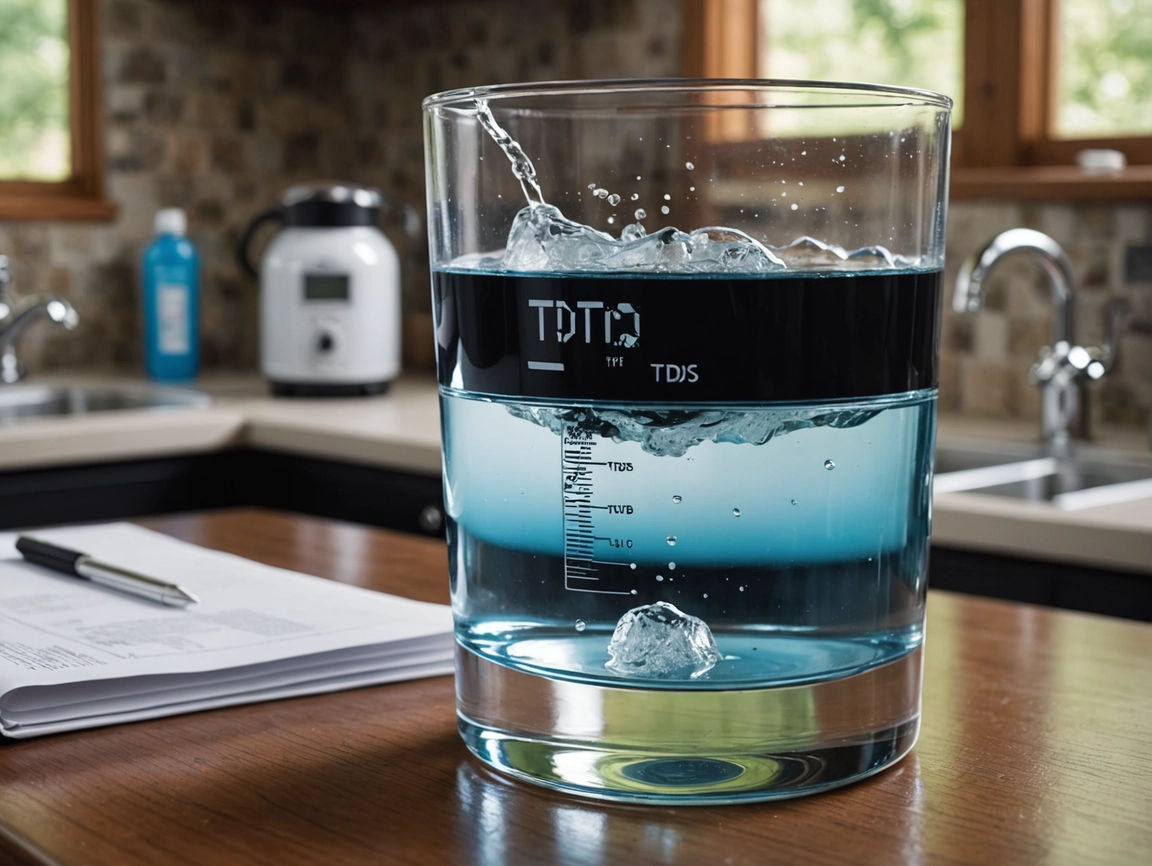
What is TDS in Water? Safe Levels & How to Reduce It (Simple Guide)
What is TDS in Water? Safe Levels & How to Reduce It.
Intro:
If you’ve ever checked water quality or looked for a water purifier, you’ve probably come across the term TDS.
In my case, I didn’t even know what TDS was until I started facing issues like salty taste and white deposits in water. That’s when I realized TDS plays a big role in water quality.
So let’s understand it in the simplest way.
What is TDS in Water?
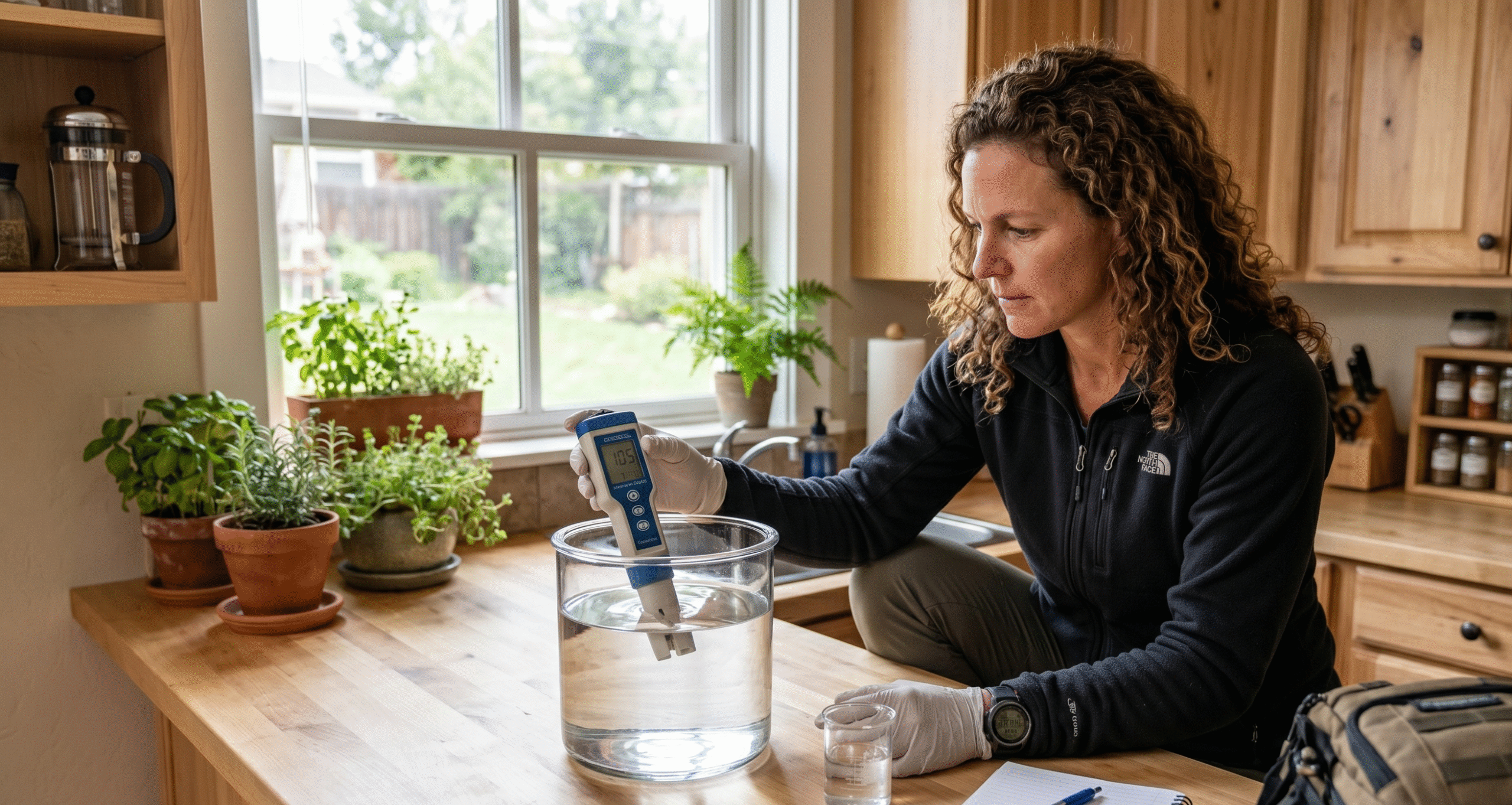
TDS stands for Total Dissolved Solids.
Earlier, this number is often ignored, but once checked, it explains most water-related issues.
In simple words, it means:
👉 The amount of dissolved substances present in water.
These include:
- Salts
- Minerals (calcium, magnesium)
- Metals
- Other impurities
👉 TDS is measured in ppm (parts per million)
Why TDS Matters
TDS directly affects:
- Taste of water
- Hardness
- Safety (in some cases)
Higher TDS clearly showed up as salty taste and white deposits, which became hard to ignore over time.
- Salty or bitter taste
- White marks on utensils
- Scaling in appliances
What is Safe TDS Level for Drinking Water?
Here’s a simple understanding:
- Below 50 ppm → Too low (flat taste)
- 50–150 ppm → Good
- 150–300 ppm → Ideal
- 300–500 ppm → Acceptable
- Above 500 ppm → Not recommended
In many borewell areas, TDS is much higher than recommended levels, which is why basic filtration doesn’t work properly.
👉 In many borewell areas, TDS goes above 800–1000, which needs treatment.
How to Check TDS in water at Home
The easiest way is:
👉 Use a TDS meter
- Available online (cheap)
- Just dip in water
- Shows instant reading
This is what I personally recommend before buying any purifier. I personally found this very useful because it removes all guesswork before buying a purifier.
If your TDS in water is high, you can check 👇
👉 My detailed guide on choosing the right purifier for borewell water.
How to Reduce High TDS in Water
If your TDS is high, normal filters won’t help much. Many people try basic filters first, but they don’t solve the core problem if TDS is high.
👉 Only effective solution:
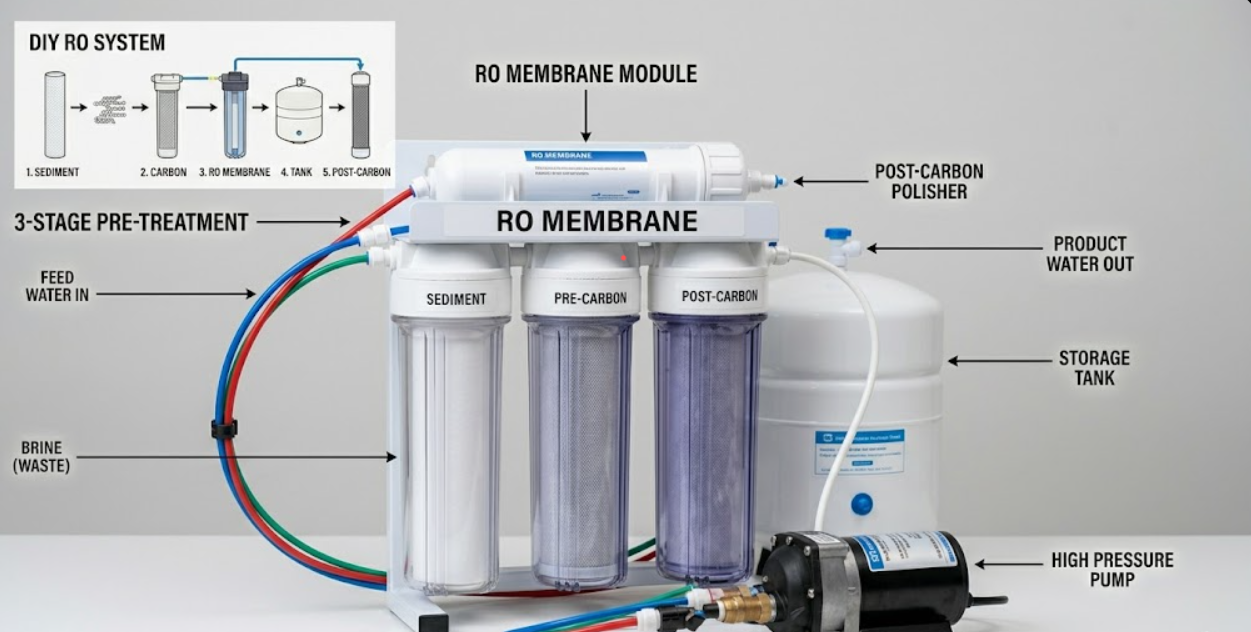
RO (Reverse Osmosis) purifier
Why:
- Removes dissolved salts
- Reduces TDS significantly
- Improves taste
👉 For very high TDS:
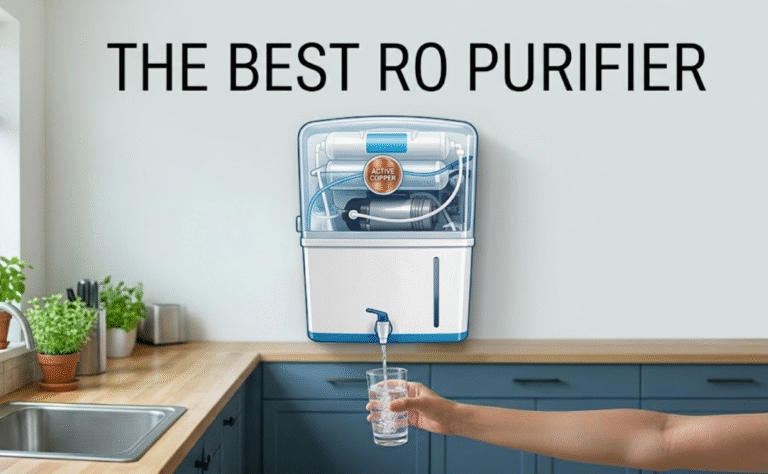
- Choose RO + UV + UF with TDS controller
What Does Low TDS Mean?
Low TDS water:
- Tastes flat
- May lack minerals
👉 That’s why modern RO purifiers come with:
- Mineral adjuster
- TDS controller
Common Mistakes People Make
A common mistake people make is:
❌ Ignore TDS completely
❌ Buy UV purifier for high TDS water
❌ Delay buying purifier
👉 This leads to long-term problems
Final Advice
If you don’t know your water quality, this simple step can make a big difference in choosing the right solution.
👉 First check TDS
Because:
- It decides which purifier you need
- It affects both taste and safety
One important thing to understand is that TDS alone does not always indicate water safety, but it is a strong indicator of overall water quality. High TDS often means excess dissolved salts, while very low TDS may lack essential minerals. That’s why maintaining a balanced TDS level is important.
Simple Advice
If your water:
- Tastes salty
- Leaves white marks
- Has high TDS
👉 Don’t ignore it.
Checking TDS and choosing the right purifier can solve most water quality problems.
Ignoring this can lead to long-term issues with both taste and safety.
👉 My detailed guide on choosing the right purifier for borewell water.
👉 Find some best Water purifiers on Amazon


3 Comments