
RO vs UV vs UF Water Purifier: Which One Should You Choose?
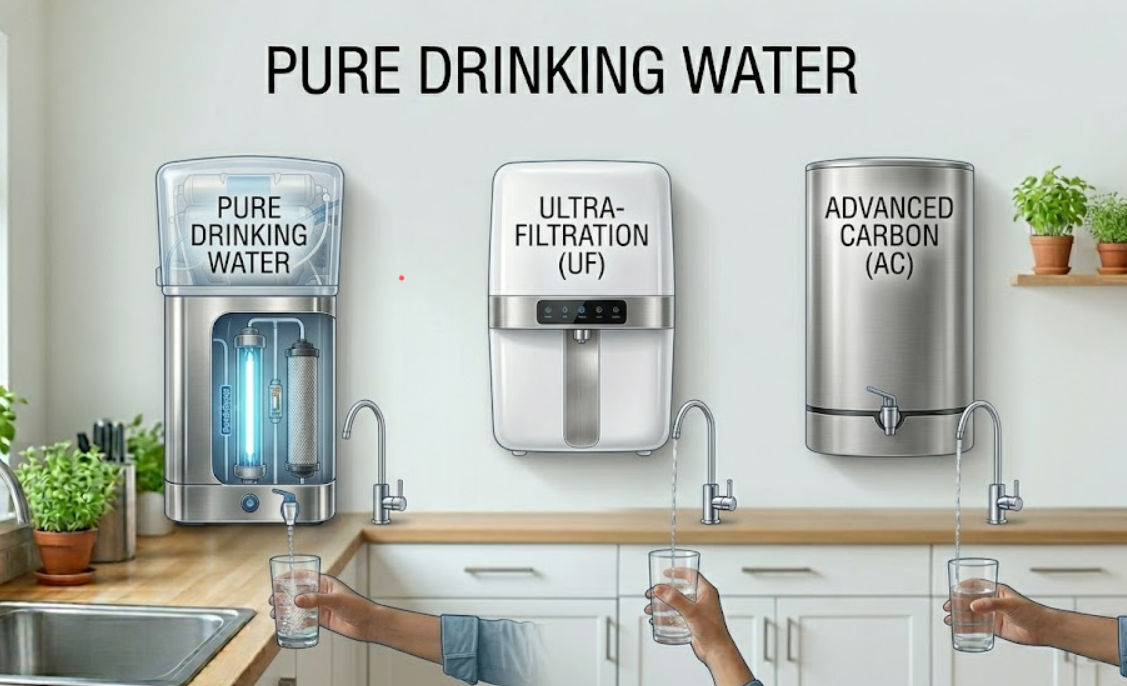
When choosing a water purifier, most people get confused between RO vs UV vs UF water purifier.
At first, they all seem similar, but in reality, they work very differently and are suitable for different types of water.
Choosing the wrong one can lead to poor water quality or wasted money.
So let’s understand the difference in a simple and practical way.
In many cases, people choose the wrong type of purifier simply because they are not aware of these differences.
What is RO Purifier?
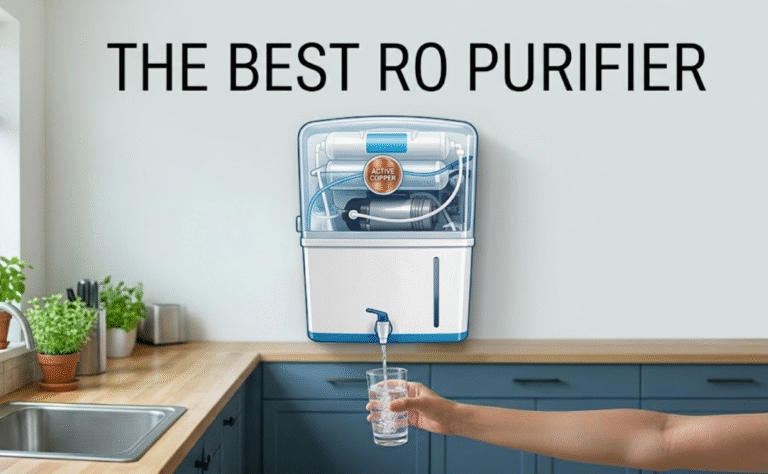
An RO (Reverse Osmosis) purifier removes dissolved salts and impurities from water.
- Removes TDS
- Suitable for high TDS water
- Improves taste
👉 Best when water tastes salty or comes from borewell sources.
What is a UV Purifier?
A UV purifier uses ultraviolet light to kill bacteria and viruses.
- Kills microorganisms
- Does NOT remove TDS
- Works only with clear water
👉 Only useful when water already has low TDS but may contain bacteria.
What is UF Purifier?
- UF (Ultrafiltration) is a basic filtration system.
- Removes larger particles and impurities
- No electricity required
- Does NOT remove TDS
👉 Suitable only for basic filtration where water quality is already decent.
RO vs UV vs UF (Quick Comparison Table)
Make simple: RO vs UV vs UF water purifier
| Feature | RO | UV | UF |
|---|---|---|---|
| Removes TDS | ✔ | ❌ | ❌ |
| Kills bacteria | ✔ | ✔ | ✔ |
| Needs electricity | ✔ | ✔ | ❌ |
| Best for | High TDS | Low TDS | Basic filtration |
Which One Should You Choose?
This depends completely on your water quality.
- If TDS is high → RO is the right choice
- If TDS is low but contamination risk exists → UV works
- If water is already clean → UF can be enough
👉If you’re not sure about your water quality, you can first understand TDS levels before choosing a purifier.
How to Check Your Water Type
Before choosing any purifier, it’s important to understand your water quality.
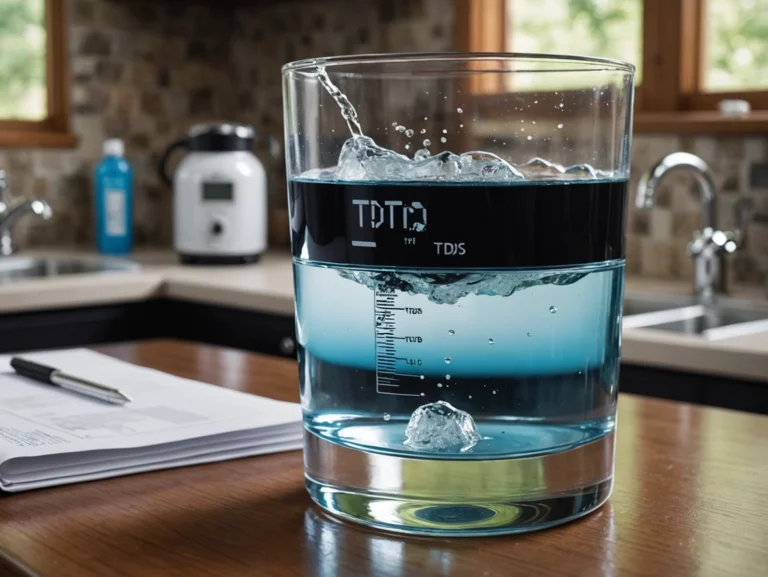
The easiest way is to use a TDS meter, which gives you a quick reading of dissolved solids in water.
If TDS is above 300, RO is usually required. If it is low, other options like UV or UF may be sufficient.
This simple step helps you avoid buying the wrong purifier.
Common Mistake
A common mistake people make is buying a UV purifier for borewell water.
Since UV does not reduce TDS, it does not solve the actual problem in high TDS conditions.
Can You Use RO + UV + UF Together?
Many modern water purifiers combine RO, UV, and UF technologies in one system.
This ensures removal of dissolved salts as well as protection against bacteria and other impurities.
Such combinations are especially useful in areas where water quality is inconsistent or changes over time.
Why Choosing the Right Purifier Matters
Choosing the wrong type of purifier may not solve your water problem, even if you spend more money.
For example, using a UV purifier in high TDS water will not improve taste or reduce hardness.
That’s why understanding the difference between RO, UV, and UF is important before making a decision.
Final Advice
Always choose a water purifier based on your water quality, not just price or brand.
Choosing the wrong type may not solve your problem, even if the purifier is expensive.
👉 If your water has high TDS or tastes salty, an RO purifier is usually the safest and most practical option.
If you’re still unsure, it’s better to first understand your water quality and then choose accordingly.
You can also check related guides on TDS levels, borewell water purifiers, and budget RO options to make a better decision.


frgnyrewhdrvfpszpyeurgnzwppedl