
High TDS Water: Problems, Side Effects & Best Solutions (2026 Guide)
If you’re using borewell water or facing issues like salty taste or white deposits, there’s a high chance your are drinking high TDS water.
In my case, I didn’t pay much attention to this at first. But when the taste started getting slightly salty and utensils began showing white marks, it became clear that something wasn’t right.
In many Indian homes, high TDS is one of the most common reasons for poor water taste and long-term water-related problems.
That’s when I checked TDS — and it explained most of the problem.
So let’s understand this in a simple and practical way.
What is High TDS Water?
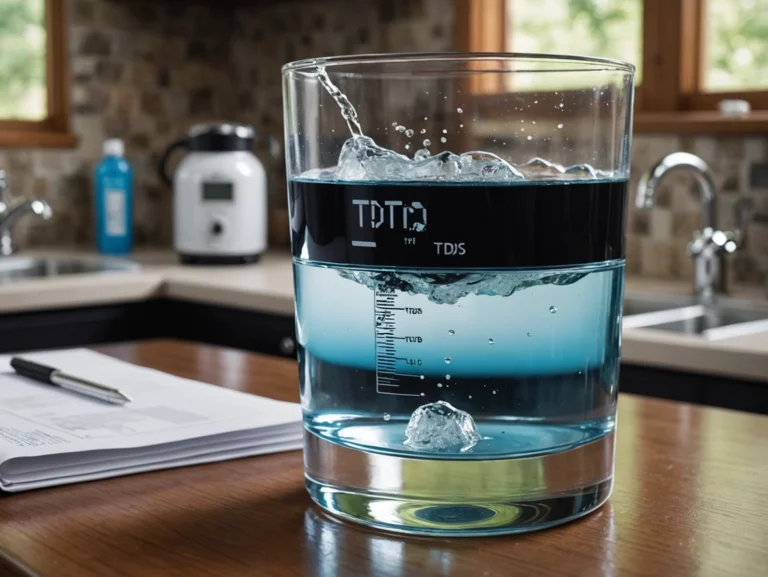
TDS stands for Total Dissolved Solids.
High TDS water means water that contains a high amount of dissolved salts and minerals, usually above 300–500 ppm. It often causes salty taste, scaling, and requires RO purification.
In simple words, it is the total amount of dissolved salts, minerals, and impurities present in water.
These can include:
- Calcium and magnesium (hardness)
- Sodium salts
- Metals and other dissolved substances
TDS is measured in ppm (parts per million)
What is considered high TDS?
According to Bureau of Indian Standards (IS 10500) : 500 ppm is the acceptable limit, but many groundwater sources in India exceed this level due to mineral content.
- Up to 500 ppm → Acceptable
- Up to 2000 ppm → Permissible (in absence of better source)
But practically, anything above 300–500 ppm starts affecting taste and usability.
In many borewell areas in India, TDS often goes above 800–1000 ppm, which is where problems begin.
Problems Caused by High TDS Water
From what I’ve seen and experienced, high TDS doesn’t stay hidden — it shows clear signs over time.
Common problems:
Salty or bitter taste
Water doesn’t feel fresh anymore.
White deposits on utensils
You’ll start noticing scaling on steel utensils, taps, and kettles.
Appliance damage
High TDS water can reduce the life of:
- Geysers
- Water heaters
- RO systems (without pre-filtration)
Skin and hair issues
Hard water may cause dryness or roughness in some people.
Scaling in pipes
Over time, mineral deposits can build up in plumbing.
Is High TDS Water Harmful?
This is where people get confused.
According to World Health Organization:
- TDS itself is not always harmful
- But very high levels can affect taste and acceptability
The real concern is:
- What is dissolved in the water
- Presence of harmful salts or metals
From a practical point of view:
High TDS water is not ideal for long-term drinking, especially when it affects taste and causes scaling.
How to Check TDS at Home
The easiest way:
Use a TDS meter
- Easily available online
- Just dip in water
- Shows instant reading
In my case, checking TDS removed all guesswork before deciding what purifier to buy.
If you want a detailed explanation, you can also read:
If you want a deeper understanding, you can read our detailed guide on TDS in water and safe levels.
How to Reduce High TDS in Water
This is the most important part.
Many people try basic filters first — but they don’t solve the actual problem.
Only effective solution:
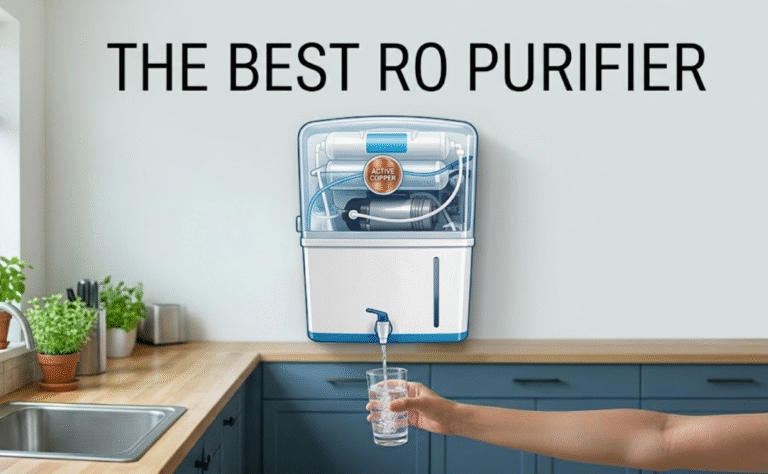
RO (Reverse Osmosis) Purifier
From what I’ve seen, once people switch to the right RO purifier, most taste and scaling issues get solved quickly.
Why RO works:
- Removes dissolved salts
- Reduces TDS significantly
- Improves taste
- Makes water more suitable for drinking
For very high TDS (800–1000+):
Choose:
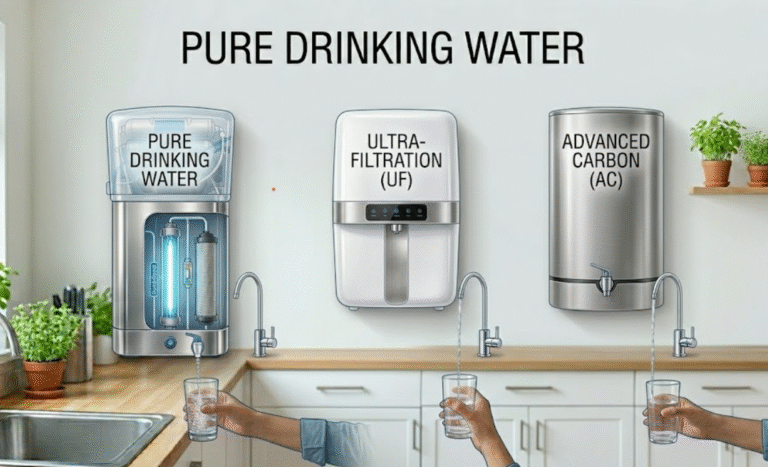
✔ RO + UV + UF
✔ With TDS controller / mineral adjuster
This ensures:
- Proper purification
- Balanced taste
Best Solution for Borewell Water
If you’re using borewell water, high TDS is very common.
From what I’ve seen, using the wrong purifier (like UV only) doesn’t solve the issue.
In such cases, an RO-based purifier is usually the safest option.
You can check this detailed guide:
Best Water Purifier for Borewell Water in India (2026 Guide)
Budget-Friendly Options
Many people think RO purifiers are expensive — but that’s not always true.
Even under budget, there are good options available.
You can explore:
Best RO Water Purifier Under ₹15000 in India (2026 Guide)
Common Mistakes People Make
From what I’ve observed, people often:
❌ Ignore TDS completely
❌ Buy UV purifier for high TDS water
❌ Delay buying a proper purifier
❌ Choose based only on price
This leads to long-term issues instead of solving the problem.
Why High TDS Should Not Be Ignored
One thing I’ve learned is that water problems don’t fix themselves.
If TDS is high:
- Taste will not improve on its own
- Scaling will continue
- Appliances may get affected
A proper solution is required.
When Do You Definitely Need an RO Purifier?
You should consider an RO purifier if:
- TDS is above 300 ppm
- Water tastes salty or bitter
- You are using borewell water
- You notice scaling on utensils
In these cases, RO is usually the most practical solution.
Final Advice
If your water:
- Tastes salty
- Leaves white marks
- Has high TDS
Don’t ignore it.
The simplest approach is:
✔ First check TDS
✔ Then choose the right purifier
Because once you fix the root problem, everything else becomes easier.
Simple Advice
High TDS water is not something to panic about, but it’s also not something to ignore.
From my experience, once I understood TDS and chose the right solution, most of the water-related issues were solved.
A good RO purifier is usually a one-time decision that fixes the problem properly.
Common Question
Is 1000 TDS water safe?
👉 Water with TDS around 1000 ppm is generally not ideal for daily drinking due to taste and mineral load. It’s better to reduce it using an RO purifier.
One Comment